Why Nsasani Trust
A Unique Approach
Choosing where to study, collaborate, or invest in conservation education is a significant decision. At Nsasani Trust, we believe our approach sets us apart — not only in what we teach, but in how and why we teach it.
Why Choose Nsasani Trust?
Invested in Africa's future
Because we combine science with purpose, learning with leadership, and sustainability with social impact. When you choose Nsasani, you choose to invest in people — the future guardians of Africa’s natural heritage.
Based in the Kruger National Park
Learning in a Living Classroom
Located within the world-famous Kruger National Park, the Skukuza Science Leadership Initiative (SSLI) Field Station is our home — and our classroom. Students don’t just learn about ecosystems; they study them first-hand. Here, every lesson takes place where science, conservation, and community intersect. This immersive experience transforms theory into practice, helping learners develop real-world research and problem-solving skills.
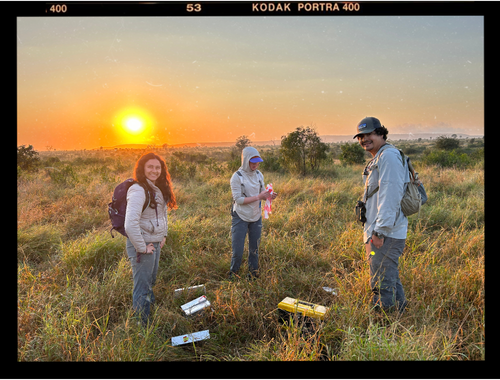
Sustainable & Eco Friendly
Sustainable Living by Design
The SSLI Campus itself is a model of sustainable development. From solar power and water-saving technologies to eco-friendly architecture, it demonstrates how people can live and learn in balance with nature. Students experience sustainability in action and see how simple innovations can create lasting impact.
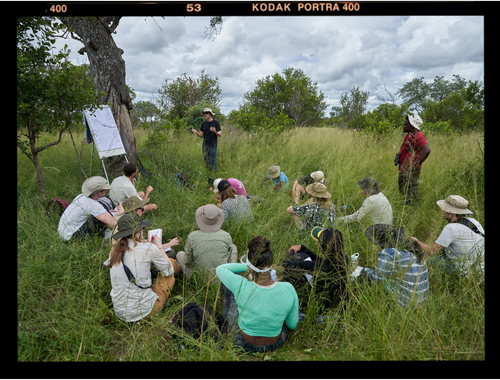
Experimental Learning
Bridging the “Knowing–Doing” Gap
One of the greatest challenges in environmental education is the disconnect between academic knowledge and practical application. Nsasani Trust bridges this gap through experiential learning, mentorship, and research-based programmes. Our graduates don’t just earn qualifications — they gain the confidence, competence, and character to lead in conservation, research, and community engagement.
Diverse & Inclusive
Empowering Diversity and Inclusion in Science
We are passionate about equitable access to science education. Many of our students come from communities bordering Kruger National Park or from backgrounds historically underrepresented in science, technology, engineering, and mathematics (STEM). Through scholarships, mentorship, and targeted outreach, we empower young women and people of colour to thrive in scientific and leadership roles.
Collaboration
Proven Impact and Global Partnerships
Since 2013, Nsasani Trust has delivered over 190 field programmes, hosted 2,200 students from more than 40 institutions, and contributed to over 45 scientific publications. Our collaboration with SANParks and the Organization for Tropical Studies ensures academic excellence and practical relevance. We are part of the global network of Biological Field Stations (OBFS), connecting South African students and researchers with international peers and mentors.
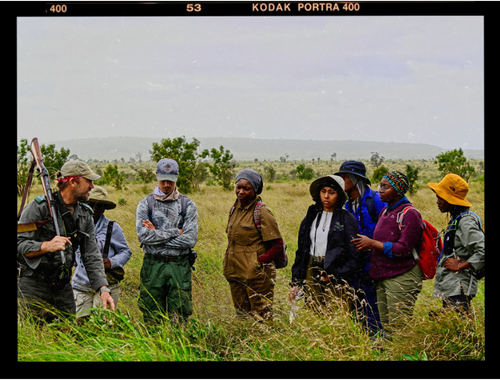
High-impact Education
Education That Inspires Change
Nsasani programmes are intentionally small and high-impact, ensuring personal attention and meaningful mentorship. Students consistently report that their experiences with Nsasani were transformative — broadening their aspirations, deepening their understanding of nature, and sparking lifelong dedication to conservation.
Globally Significant
A Model for the Future
As a registered Public Benefit Organisation, Nsasani Trust reinvests every rand into human-capital development, research, and sustainability. By participating in or supporting our work, you are contributing to a new model of conservation education — one that is inclusive, locally relevant, and globally significant.
Testimonial
Go Further with Research
"I cannot express enough how important the immersive learning opportunities have been for me, being able to consolidate theory with practical in-field experience."
Riaaz Mohammed - PhD Student University of the Western Cape
"Not only do I understand the world more from a scientific perspective, but I am also better equipped to work in any environment, with anyone."
Georgina Agar - Course attendee
"It was one of the best courses I have ever participated in."
Mbali Mohlahla - Course attendee
About SSLI
The Skukuza Science Leadership Initiative (SSLI)
The Skukuza Science Leadership Initiative (SSLI) is a partnership between the Organization for Tropical Studies (OTS), the Nsasani Trust, and South African National Parks.
This initiative is aimed at bridging the gap between disadvantaged communities, tertiary education, and the biodiversity sector.
Our Vision
Our Mission
Our Partners
Nsasani Partners With Universities



Want to know more?
Frequently Asked Questions
Our programmes are open to students, early-career professionals, educators, and researchers. We offer multi-level programming suitable for high school learners, university students, and biodiversity practitioners.
You can help by donating to fund student scholarships, sponsoring research, or contributing to campus sustainability projects. Every contribution helps shape the future of science leadership.
The SSLI Field Station is in Skukuza, the scientific and administrative heart of the Kruger National Park.